

Successful enterprise restaurants often find themselves debating whether to standardize their menu across all branches or allow each outlet more flexibility. Both approaches come with real pros and cons. And it’s not just large multi-unit brands facing this challenge—fast-growing bakeries and cafés expanding across different cities eventually hit the same crossroads.
The Benefits of a Standardized Menu
Standardized menus are great if you want to keep your brand experience consistent across different markets. They also reduce confusion around pricing, availability, and recipes, making operations much easier to manage. Stable cost control is another big advantage, since recipes and portions stay uniform. And because items and availability are aligned across outlets, rolling out promos and LTOs becomes far simpler.
Overall, a standardized menu strategy works well because it removes a huge amount of operational burden and keeps execution tight.
The Cons of Standardized Menus
On the other hand, this uniformity completely ignores the on-the-ground realities of each market. For example, what’s considered affordable in one city can feel expensive in another. It all depends on the demographic in that area and the behavior of potential customers. It can also reduce revenue opportunities since mall pricing—where you should account for higher rent, footfall, and operating costs—is very different from campus pricing, where you’re taking into account student affordability and high-volume patterns in your menu strategy.
Standardized menus can also lessen your impact in certain regions, especially since different markets have different taste preferences. Ignoring these nuances can make your brand come off as disconnected or indifferent. On the ops side, real-world constraints like equipment differences and labor availability also aren’t always considered, which can quietly hurt your bottom line in the long run.
The Benefits of Flexible Menus .
The case for flexible menus comes from the fact that you can be more tactical with your pricing. You can take into account the affordability of each demographic in the neighborhood you serve and spot opportunities to increase pricing when you’re in premium locations with higher-income customers and stronger footfall. You can also make the menu more engaging for the community by incorporating local favorites and taste profiles—creating a more exciting, delightful experience for that locality.
Sometimes, you can even bring those learnings into your other markets, like introducing a successful flavor from one region to another market with similar tastes.
On the operations side, it gives on-the-ground managers more leeway to pick and choose items based on the availability of ingredients in that locality. For example, in certain climates, fruits can spoil faster, and menu items that depend on them may not perform well and can cause higher wastage.
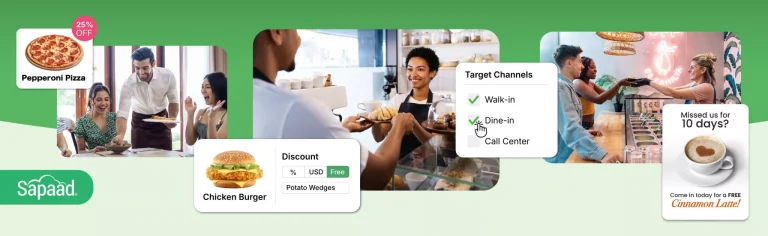
Managers can also toggle and adapt the menu based on the ordering channel. Kiosks and drive-thrus operate very differently from small stores or large dine-in locations, which means they can either expand or streamline their menu strategy accordingly.
The Cons of Flexible Menus
But where standardized menus shine is where flexible menus fall short. This high level of flexibility can often result in inconsistencies in the brand experience, making the restaurant brand weaker overall and creating less brand recall for potential customers. Multi-channel integrity can also become a major issue, since all these changes are harder to track and manage in the long run.
While flexible menus do help engage the locality by incorporating specific flavor profiles, they can also unintentionally isolate customers. There can be slight jealousy or accusations of preference depending on what’s available in each location—for example, if one branch has “better” menu items than another. Operational hiccups can also be more common, since pricing, stock levels, modifiers, and recipes are not easily standardized.
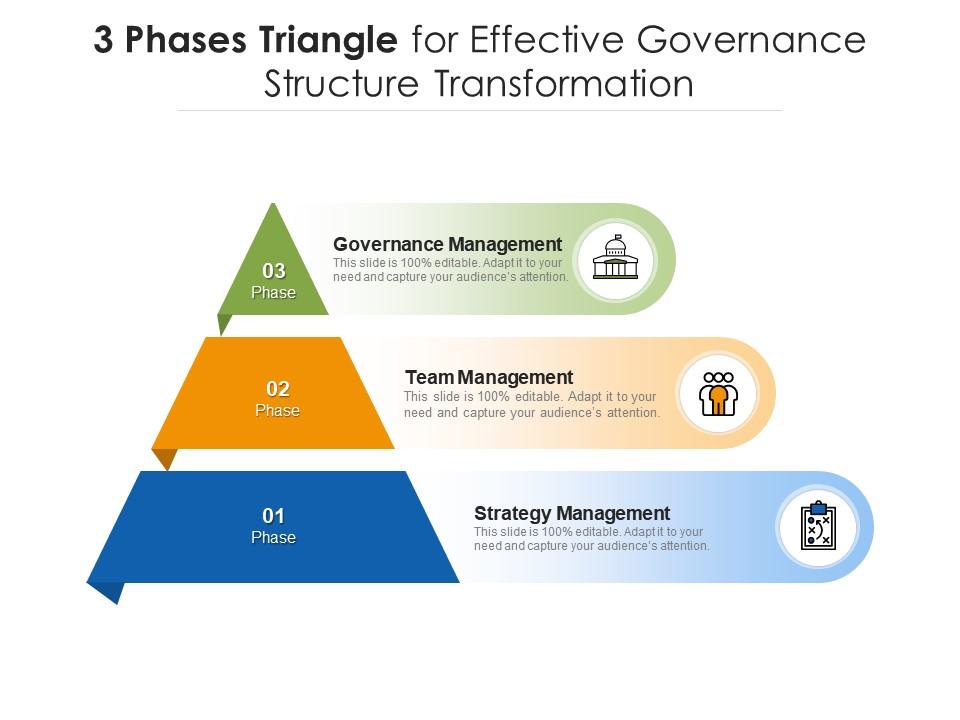
Use a 3-tiered governance model: Core, Periphery and Toggle
Core: Controlled by Headquarters
The core is everything related to the brand identity of the business. Everything from official brand menu items, recipes, and production methods should be named, handled, and managed by headquarters. To allow for flexibility and consistency, price ceilings and floors should be designated in the core as well to prevent outlets from cheapening or over-inflating prices.
Includes:
- Official brand items, naming, and descriptions
- Recipes, prep standards, and portion sizes
- Production methods and operational guidelines
- Approved photography and menu structure
- Price floors and ceilings (so no outlet dilutes the brand or over-inflates)
- Global promos and seasonal LTOs
Periphery: Adapted by the Markets/Regions
The periphery covers the preferences and tastes of the locality for each region. Local pricing, for example, can move ±10–15% depending on neighborhood affordability, rent, or competition. Regional SKUs can be adopted as well—for example, leaning toward spicier variants in countries like South Korea and Thailand, and more vegetarian-forward options in South Asia. This is also the perfect place to remove menu items that may not make sense for the locality. Incorporating local taxes and service charges will be applied here as well.
Includes:
- Local pricing adjustments (typically around ±10–15%)
- Regional SKUs and flavor variants (spicier in Korea/Thailand, more veg-forward in South Asia, etc.)
- Removing items that simply won’t perform in that locality
- Taxes, service charges, and compliance rules
- Regional promos tied to culture and behavior patterns
Toggle: Operated by Store Managers
Individual outlets also have their unique challenges. These are daily operational realities that shouldn’t require HQ approval. For example, if a machine breaks, managers should be allowed to change the availability of the food items that require that machine. Additionally, location plays an important role as well. Depending on the outlet’s location, foot traffic may vary on specific days, and the manager should be allowed to move around promos to maximize profitability.
Includes:
- Turning items on/off based on equipment issues (e.g., fryer down = no fried items)
- Adapting availability based on ingredient stock
- Adjusting menus per channel (kiosk, drive-thru, QR, dine-in all behave differently)
- Moving promos around depending on footfall patterns
- Making short-term switches to avoid wastage
- Handling micro-changes driven by weather, events, or local habits
Ask Vantage: Your key to understanding the 3 tiers
Instead of digging through dashboards or waiting on someone to pull a report, you can just ask Vantage and get answers in seconds. It instantly surfaces pricing gaps, menu inconsistencies, regional anomalies, and operational issues before they turn into real problems.
Ask Vantage becomes the glue that holds your entire 3-tier governance model together.
- For Core: It helps you enforce brand standards, flag items drifting from HQ rules, and keep pricing within your ceilings and floors.
- For Periphery: It shows you how regional pricing, taste profiles, and SKUs are performing so you can validate whether local adaptations are actually working.
- For Toggle: It highlights store-level bottlenecks—like outages, low stock, or channel-specific menu issues—so managers can make smarter daily decisions.
-
You don’t just run a better menu strategy. You run a tighter, more informed,
and more profitable operation. ➡️ Book a demo today!